Dynamics 365 CRM
Records, cases, communications and consent for residents, supporters, students and visitors.
Find out more about Dynamics 365 CRMHow councils, public bodies, charities, schools, universities and museums use CRM and ERP, and where Microsoft Dynamics 365 fits in each sector.
Councils, charities, schools and museums serve very different people, but they share the same pressures. Every pound has to be accounted for, often against a budget, a grant or a restricted fund. The people they work with expect joined-up service. And small teams are asked to do more each year.
Two systems carry most of that load. A CRM holds the relationship side: residents, supporters, students, members and visitors, with their enquiries, consent and history. An ERP holds the money side: budgets, purchasing, funds and the reporting that boards, trustees, funders and auditors ask for. When the two are connected, a service request or a donation can be traced from first contact through to the accounts.
Each sector has a CRM guide and an ERP guide, covering what the system does, where the value sits and how to choose one.
Resident enquiries, cases and service requests in one place, with budgets, commitments and public spending traceable for audit.
Case management, stakeholder records and accountable finance for organisations spending and reporting on public money.
One supporter record across giving, events and volunteering, with Gift Aid, consent and restricted funds handled properly.
Members, funders and programmes alongside grant tracking and reporting that trustees and funders can rely on.
Campaigns, donors and major gifts tracked from first contact to thank-you, with income reconciled to the accounts.
Parent and pupil communications, admissions and budgets across one school or a whole trust.
Enquiries, applications and learner records, with course costs, funding and finance reporting connected.
Student recruitment, alumni and research partners, alongside departmental budgets, grants and purchasing.
Visitors, members, donors and venue hire in one view, with retail, events and grant income in the accounts.
Most organisations start with one system and add others as needs grow. All of them connect to Microsoft 365.
Records, cases, communications and consent for residents, supporters, students and visitors.
Find out more about Dynamics 365 CRMBudgets, purchasing, funds, grants and reporting in one finance and operations system.
Find out more about Microsoft Dynamics 365 Business CentralEnquiries and service requests handled across phone, email, web and chat, with cases tracked to resolution.
Find out more about Dynamics 365 Customer ServiceForms, portals, approvals and reports built with low-code tools your own team can maintain.
Find out more about Microsoft Power PlatformOur articles on councils and local government, charities, not-for-profit finance and education, grouped by topic.
How councils choose a CRM, the pressures local authorities face and practical ways to improve resident engagement and citizen services.
 10 June 2026How councils choose a CRMRead the article
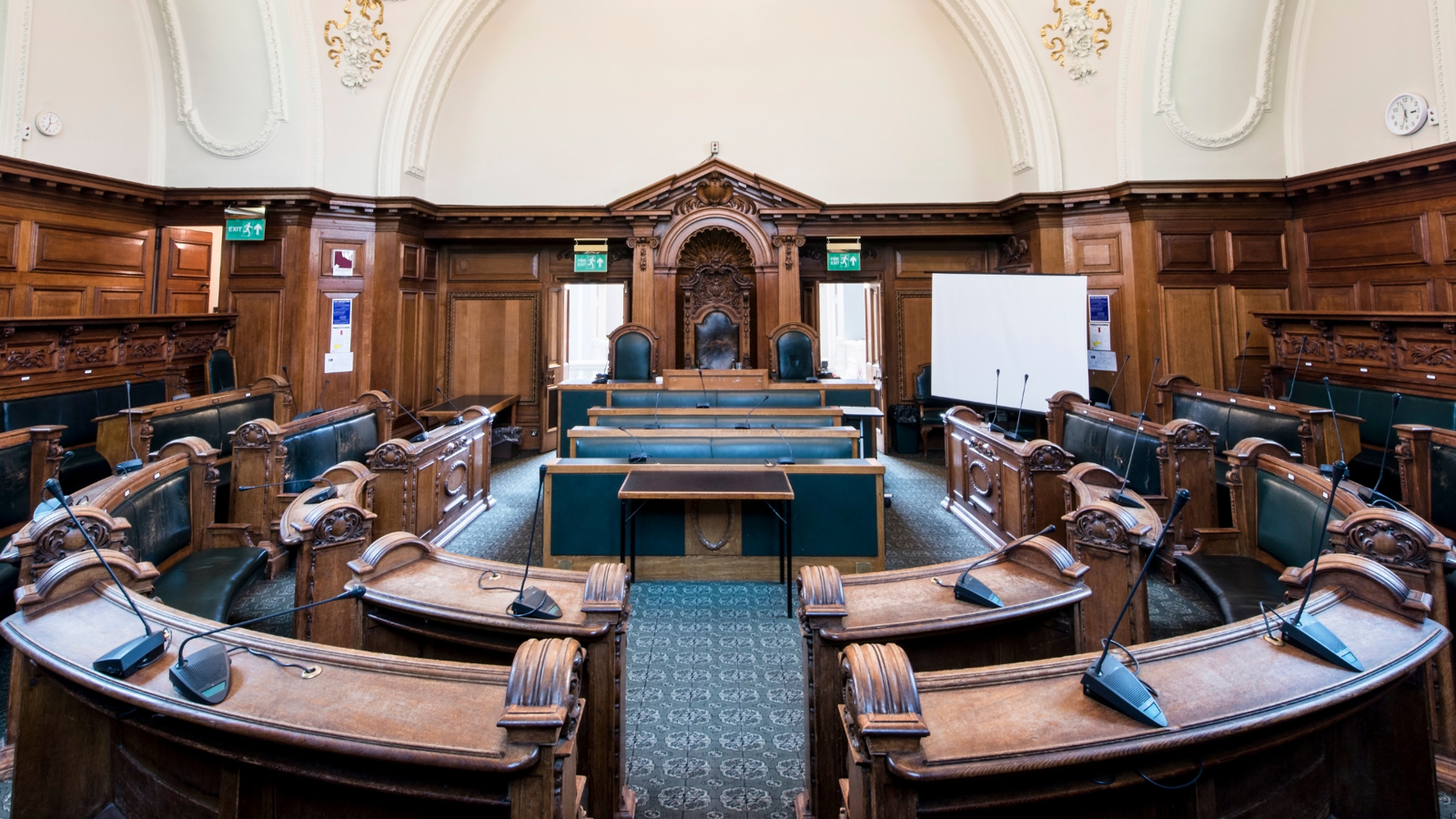 16 April 2025How a CRM can help local government better engage with citizensRead the article
 25 April 2025How Local Councils Can Improve Citizen Relationship ManagementRead the article
 2 May 2025Enhancing Council & Resident EngagementRead the article
 16 April 2025Strategies for Boosting Council and Resident EngagementRead the article
 2 May 2025Challenges Confronting Local Government & CouncilsRead the article
Why charities need a CRM, the challenges it helps with, fund accounting for not-for-profits and how education providers use Business Central.
 25 April 2025Why do Charities Need a CRM?Read the article
 5 March 2025How a CRM Can Help Charities Overcome Common ChallengesRead the article
 5 November 2025Nonprofit finance on Business Central: fund accounting & moreRead the article
 15 November 2025Smarter Educational Learning With Business CentralRead the article
Tell us how your organisation manages residents, supporters or students and its finances today, and we'll show you where Microsoft Dynamics 365 could help.
Most need two things: a CRM for the people they serve or rely on, such as residents, supporters, students or visitors, and an ERP or finance system for budgets, purchasing, funds and reporting. Microsoft Dynamics 365 CRM and Business Central cover both and connect to Microsoft 365, which most organisations already use.
Usually, yes. A CRM handles resident enquiries, cases and service requests across channels. An ERP handles budgets, commitments, purchasing and the audit trail for public spending. Running both from connected data means a service request and the money spent on it can be traced together.
Business Central can track restricted and unrestricted funds, grants and projects using dimensions, so income and spending are reported by fund without separate spreadsheets. The right set-up depends on how your funders and trustees need to see the figures.
Consent, communication preferences and opt-outs are held on each person's record with a date, so you can show what someone agreed to and exclude them from communications automatically. That matters for councils, charities and education providers alike.
Microsoft offers non-profit pricing for eligible organisations. What is available changes over time, so we check the current offers and your eligibility as part of licensing advice.
Start with the process causing the most manual work or risk, such as resident enquiries, supporter records, Gift Aid, budget reporting or grant tracking. Fixing one well gives you clean data and a foundation to add the rest.