
Unified practice operations
Business Central connects finance, project management, timesheets, purchasing, and reporting in one place. Senior leaders gain a complete picture of the practice so decisions are based on reliable, real-time information.
Architecture practices rely on precise planning, strong financial control, and clear oversight of projects. Dynamics 365 Business Central gives senior leaders a unified system to manage jobs, resources, budgets, and reporting in one place.
Disconnected tools make project delivery harder. Business Central brings everything together into one platform built for clarity and control.
Architecture practices face increasing pressure to deliver projects profitably while keeping teams aligned and clients informed. Many firms still rely on a patchwork of spreadsheets, desktop software, and legacy systems that don't share data. This creates blind spots in fee forecasting, resource planning, and project financials.
Dynamics 365 Business Central is a comprehensive ERP system that simplifies the core operations of an architecture business. It centralises finance, project delivery, resource management, reporting, and forecasting. Instead of switching between siloed tools, partners and directors gain real visibility across the entire practice. With embedded intelligence and enterprise-grade features, Business Central helps firms manage workloads, improve utilisation, and make better decisions.
If you want to see how a modern ERP built for project-based businesses can strengthen your firm, keep reading.
A system built for architecture firms can transform the way you operate. Here's how.
Business Central connects finance, project management, timesheets, purchasing, and reporting in one place. Senior leaders gain a complete picture of the practice so decisions are based on reliable, real-time information.
Real-time dashboards and predictive insights help practice principals and directors monitor project profitability, track performance, and identify emerging risks before they impact delivery.
Whether you're expanding teams, opening new studios, or taking on larger projects, the system scales with your operations. Cloud deployment ensures flexibility without heavy infrastructure costs.
By automating manual processes and reducing time spent on admin, Business Central helps practices lower operational costs. Partners can redirect time and budget towards growth and innovation.
Architecture firms handle sensitive project, client, and financial data. Business Central provides strong security controls, automated checks, and detailed audit trails to help you stay compliant and maintain client trust.
Data taken from a survey we commissioned in December 2024. Click here to view
of businesses are utilising an ERP
businesses are dissatisfied with their current ERP
of businesses say using an ERP has contributed to achieving business outcomes
Architecture practices handle complex project structures, fluctuating workloads, and multiple dependencies across design teams and external partners. Dynamics 365 Business Central supports these challenges with tools that simplify day-to-day operations and provide clarity to senior decision makers.
Plan and monitor architecture projects with timelines, tasks, and progress indicators. Directors gain the oversight needed to ensure projects remain on schedule and aligned with client expectations.
Architecture firms need systems that support flexible planning, accurate forecasting, and confident decision-making. Business Central unifies your operations so you can deliver projects with greater efficiency and clarity.
Build accurate fee forecasts and align project schedules across teams. This gives senior leaders confidence that workload and revenue projections are based on real capacity and data.
Track costs against budgets throughout the project lifecycle. Business Central highlights cost pressure early, helping directors step in before profitability is affected.
Manage staff assignments, balance workloads, and avoid burnout. The system makes it easy to understand who is available, who is overloaded, and where hiring or outsourcing may be needed.
Store client information, track deliverables, and manage supplier relationships. Everything sits in one place, helping practices reduce errors and maintain a professional client experience.
Leverage built-in analytics to understand performance across projects, sectors, and studios. Leaders can quickly identify trends, address gaps, and make decisions that support long-term growth.
Example use cases
Anonymised examples of how architecture businesses typically use Business Central across RIBA stages, fees and resourcing.
Illustrative, anonymised examples based on typical scenarios in this sector.
Get a better understanding of the benefits of using a CRM system - allowing businesses like yours to overcome fragmented systems and disconnected workflows. Don't just read about them either, our report provides you with actionable insights and practical recommendations so that you can begin to make data-led decisions.
Download report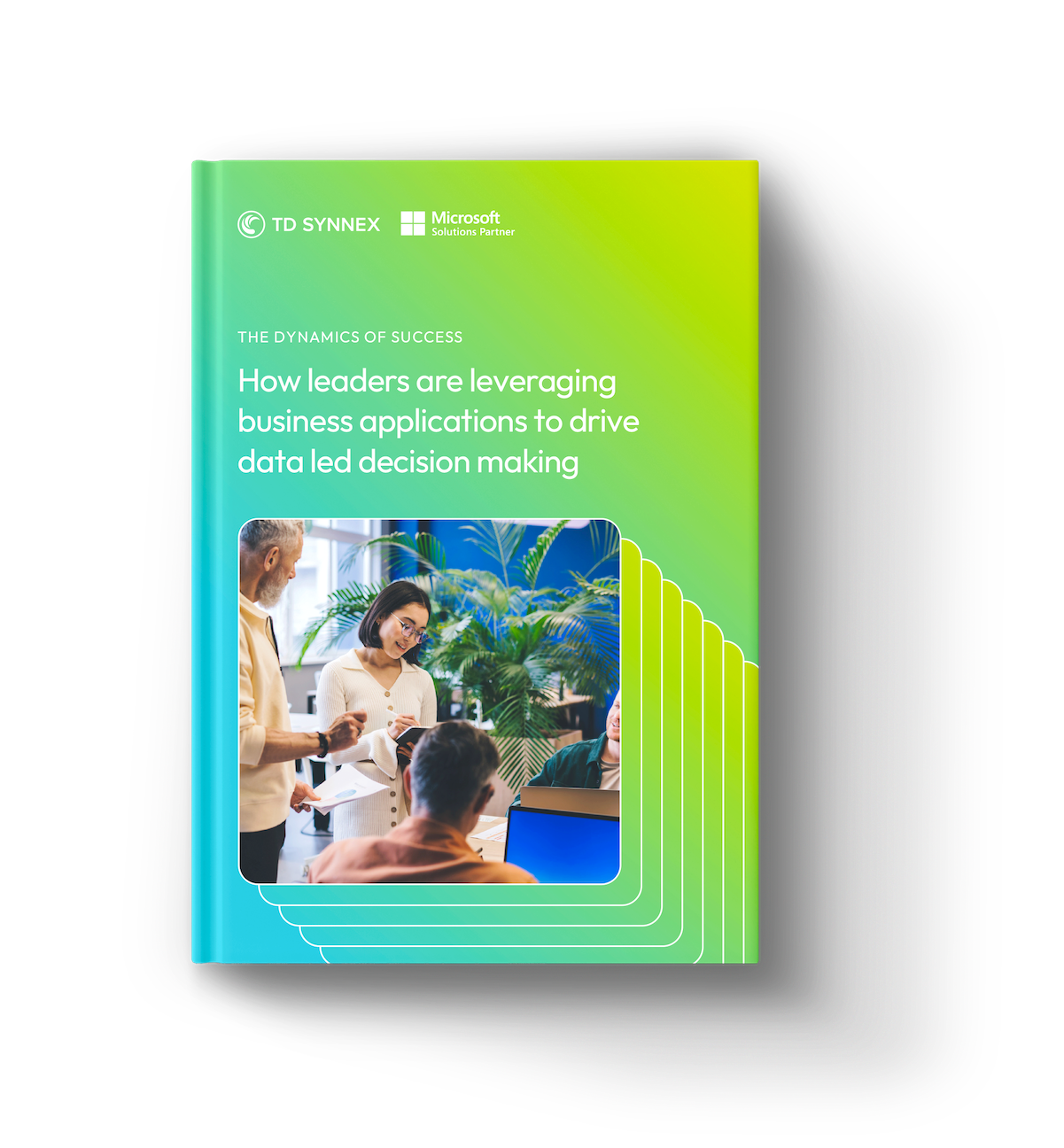
Most trials drop you into a generic demo company that looks nothing like the way you actually work. Ours doesn't. We configure your free trial around your business and the use case you care about, so you and your team can test real scenarios with data and processes you recognise.
It starts with a short questionnaire about your industry, your current systems and what you want to prove out. Once that's back with us, your tailored trial can usually be made available within a few working days. Prefer a guided walkthrough first? A standard demo is still on the table - just tell us which you'd like.
Complete a short questionnaire covering your industry, processes and the things you most want to test.
We set up a Business Central environment around your use case, so you're not clicking through a generic demo company.
Your tailored trial is typically ready within a few working days of the questionnaire coming back to us.
To learn more about Business Central, or see what an ERP for architecture firms looks like, get in touch via this short form.
Yes. Projects can be broken into tasks or phases that mirror RIBA stages, each with its own budget, time and billing.
Sub-consultant costs are raised as purchases against the project, so they appear in project margin and can be rebilled where agreed.
Business Central doesn't replace design tools. It handles finance, fees and resourcing, while your design software stays as it is.
Business Central is a modern ERP system that helps architecture firms manage projects, finances, resources, budgeting, and reporting in a single connected platform.
It gives partners and directors real-time visibility into fee budgets, spending, and utilisation so issues can be identified early and profitability protected.
Yes. It provides clear visibility of capacity, allowing leaders to balance workloads and allocate staff based on availability and skills.
Business Central integrates with a wide range of third-party systems through connectors and APIs. While it doesn't replace design tools, it connects financial and operational data with project information.
Yes. The system scales as practices grow, whether adding more staff, opening new studios, or handling more complex projects.
It supports multiple roles, teams, and departments, making it suitable for practices with architects, technologists, interior designers, and supporting functions.
Built-in reporting and dashboards offer real-time insights that help senior leaders understand performance, forecast revenue, and reduce operational risk.
Business Central is cloud-first but also supports on-premises and hybrid deployments, allowing firms to choose what works best for their operations and security needs.
It automates manual processes like timesheets, invoicing, expense tracking, and financial reporting, saving time and lowering operational costs.
Yes. It includes enterprise-grade security, access controls, audit trails, and compliance tools designed to protect sensitive information and meet regulatory standards.
Looking at Business Central beyond architecture businesses? See the full Dynamics 365 Business Central overview for features, pricing considerations and how implementation works, or read our guide to choosing a Business Central partner.